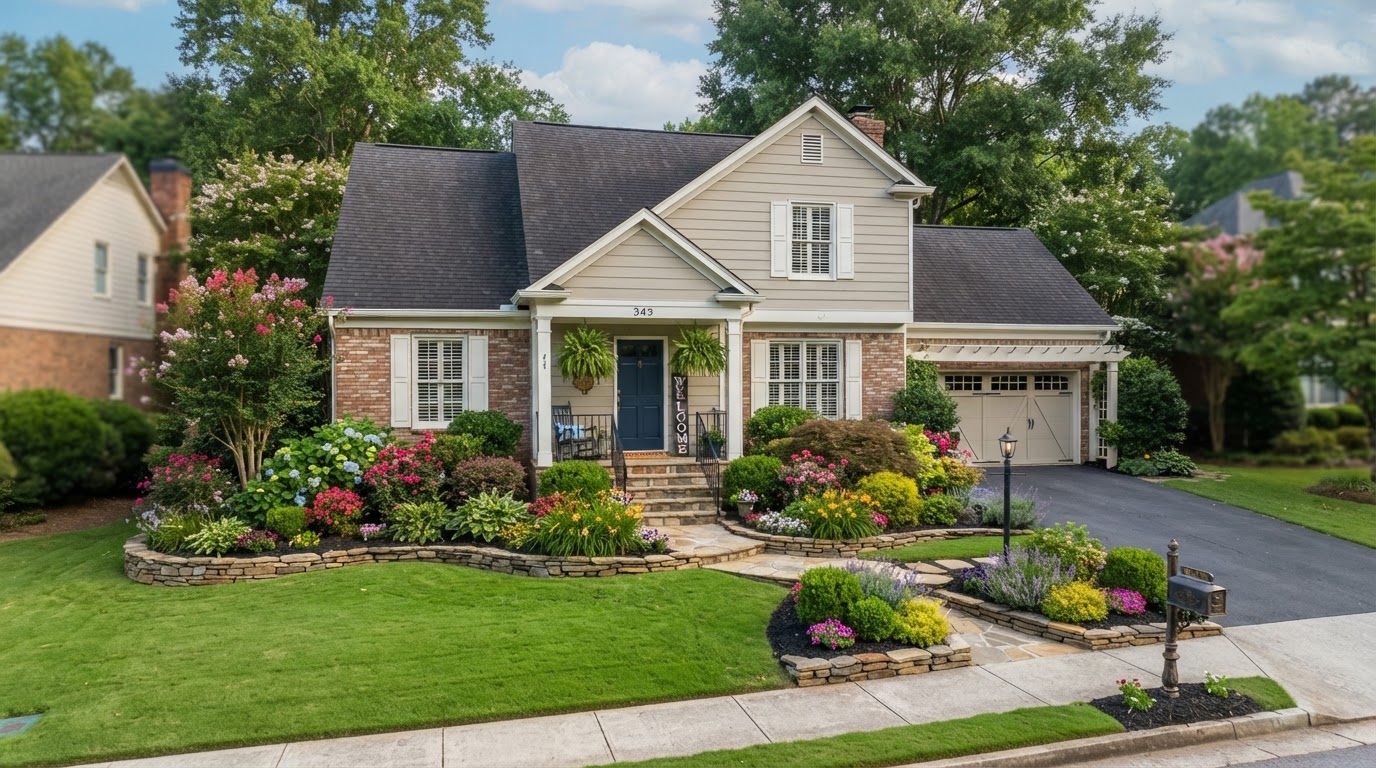
Imagine What Your Outdoor Space Could Become.
Sometimes the biggest change begins with a simple idea. A front yard that feels more welcoming. A backyard with room to gather, unwind, or enjoy a quiet morning outdoors. Thoughtful landscaping can make the spaces around your home feel more beautiful, connected, and enjoyable every day.
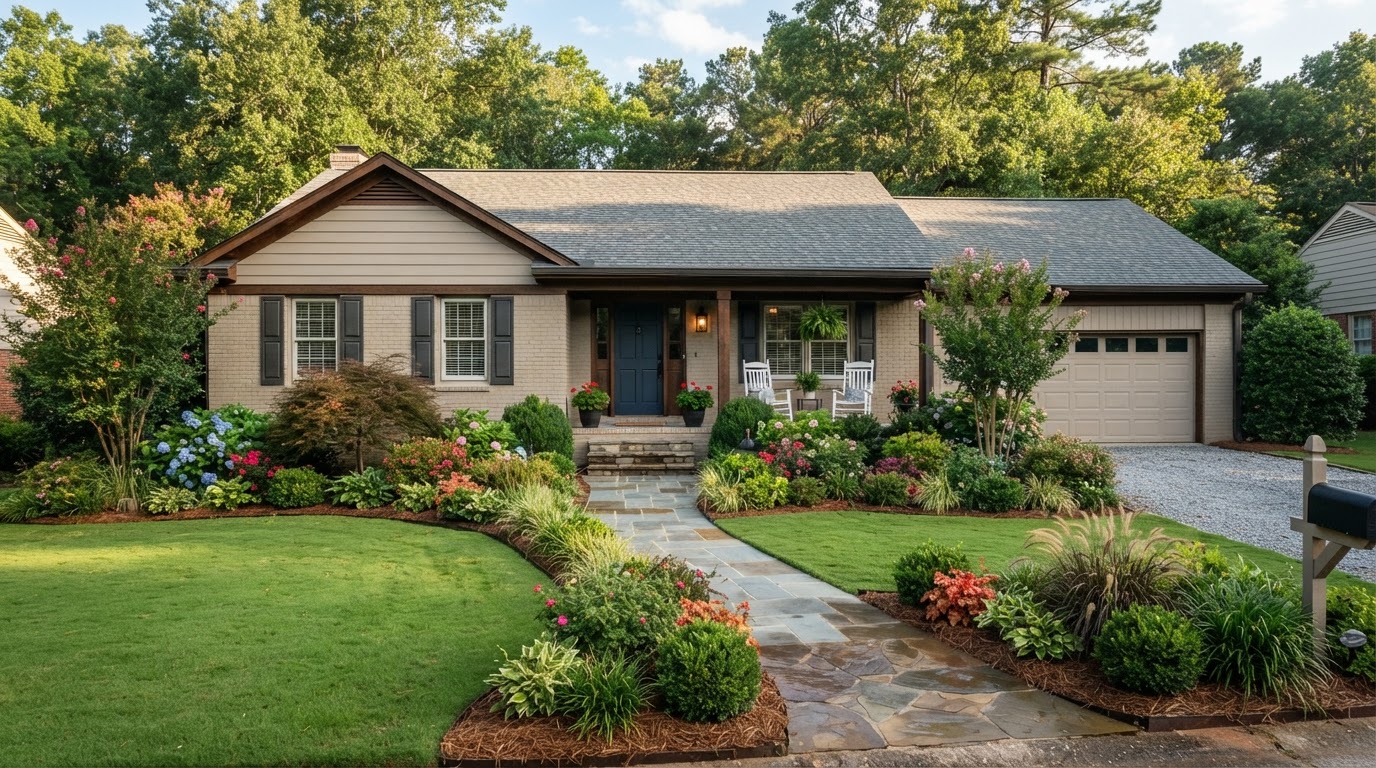
A Front Yard Worth Coming Home To
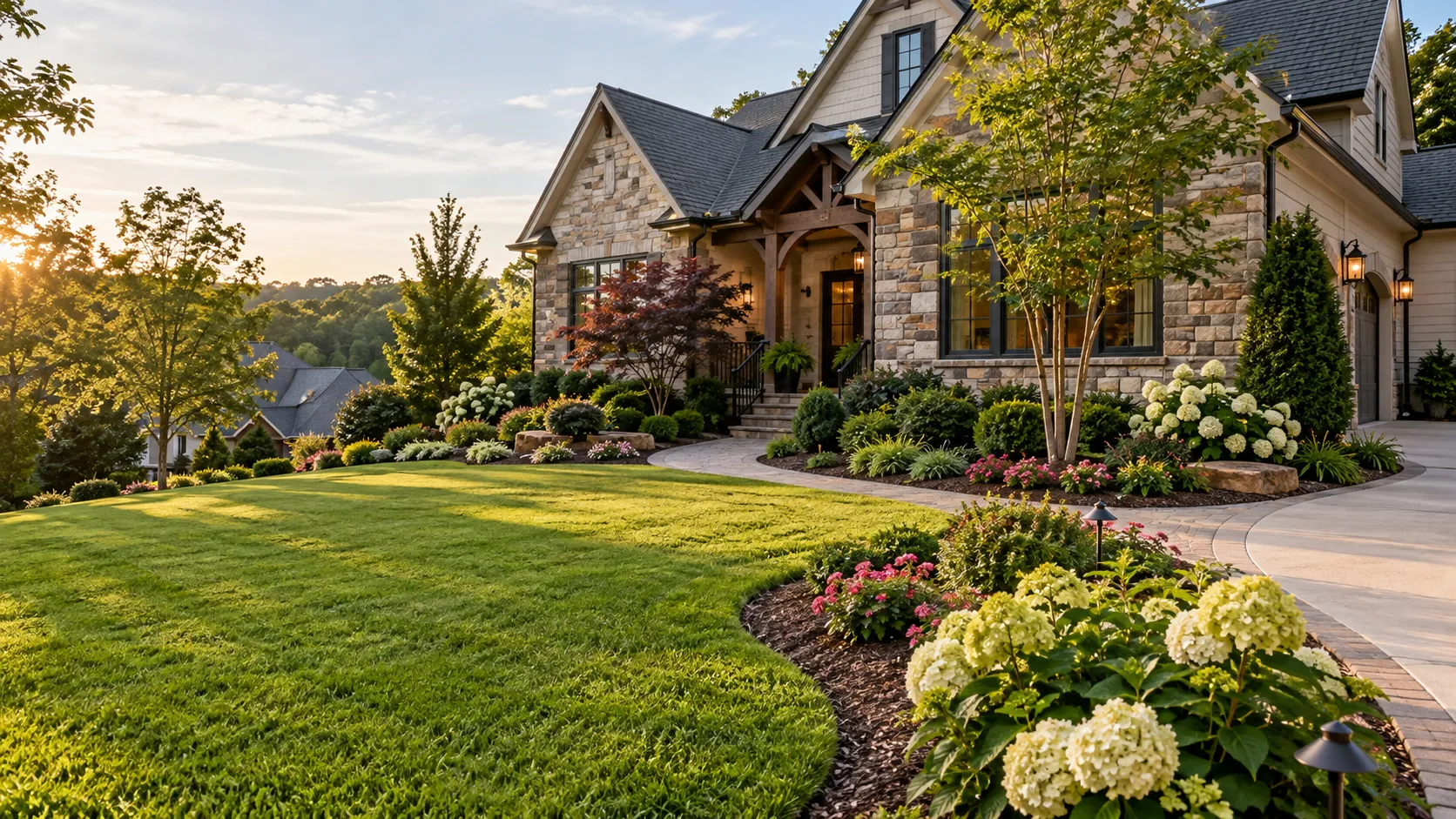
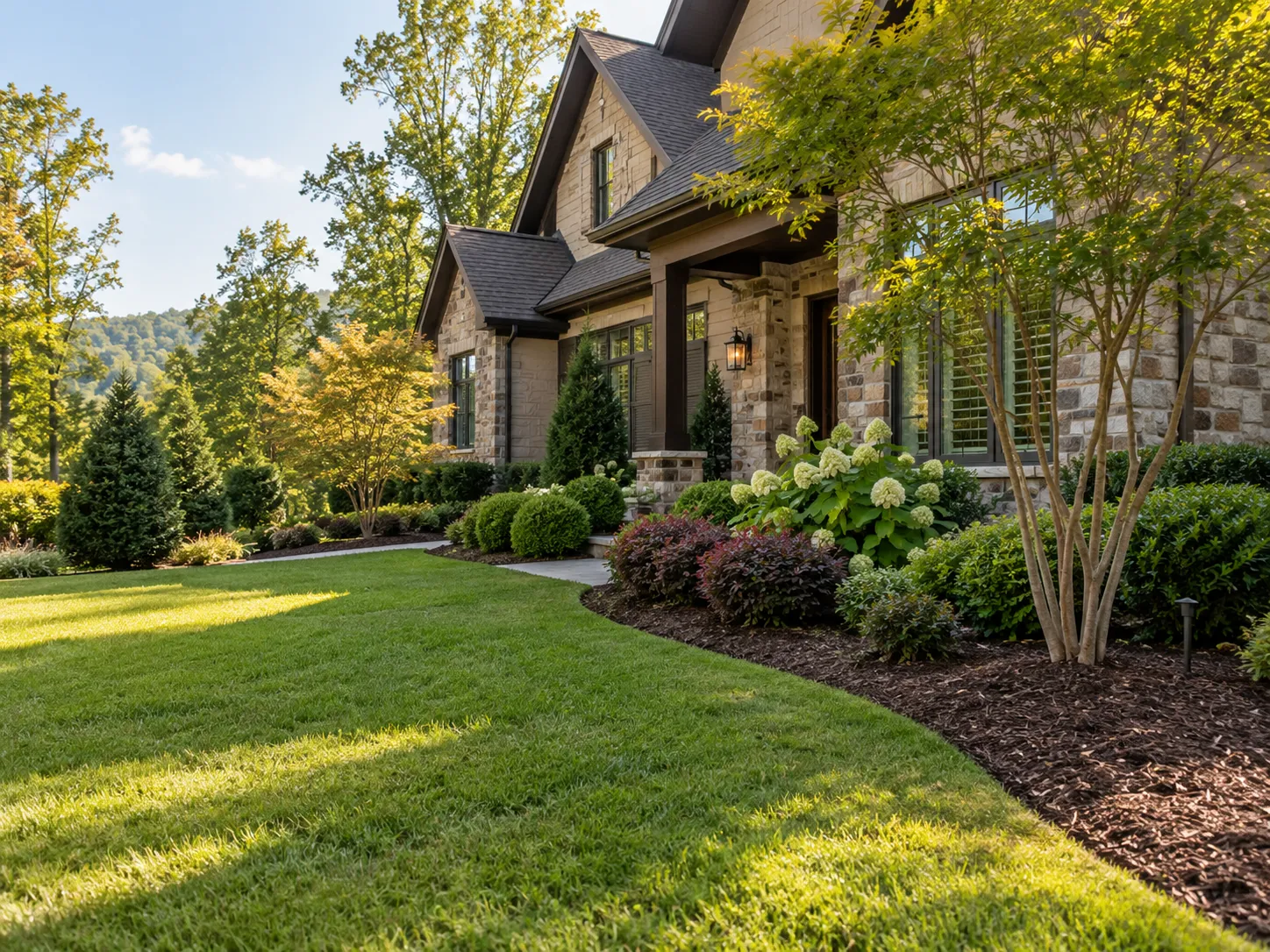
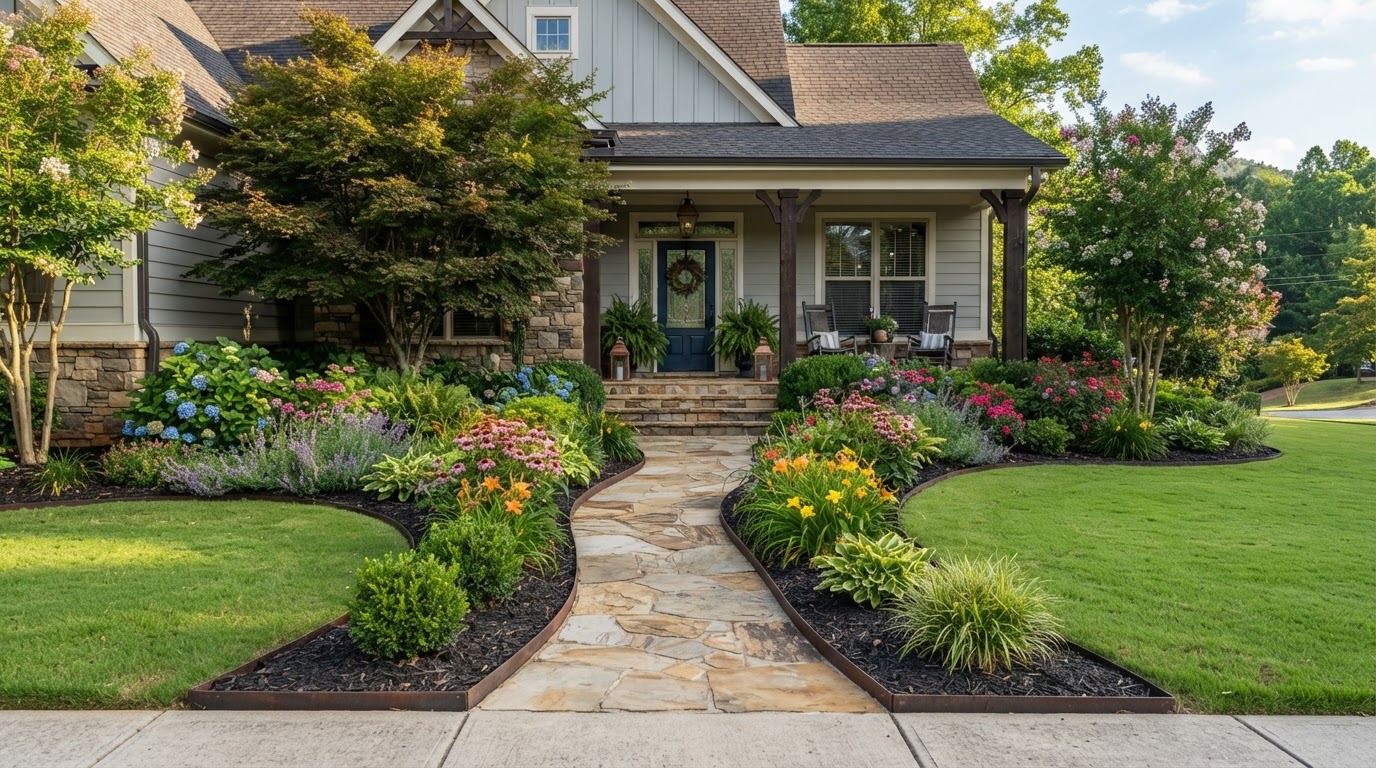
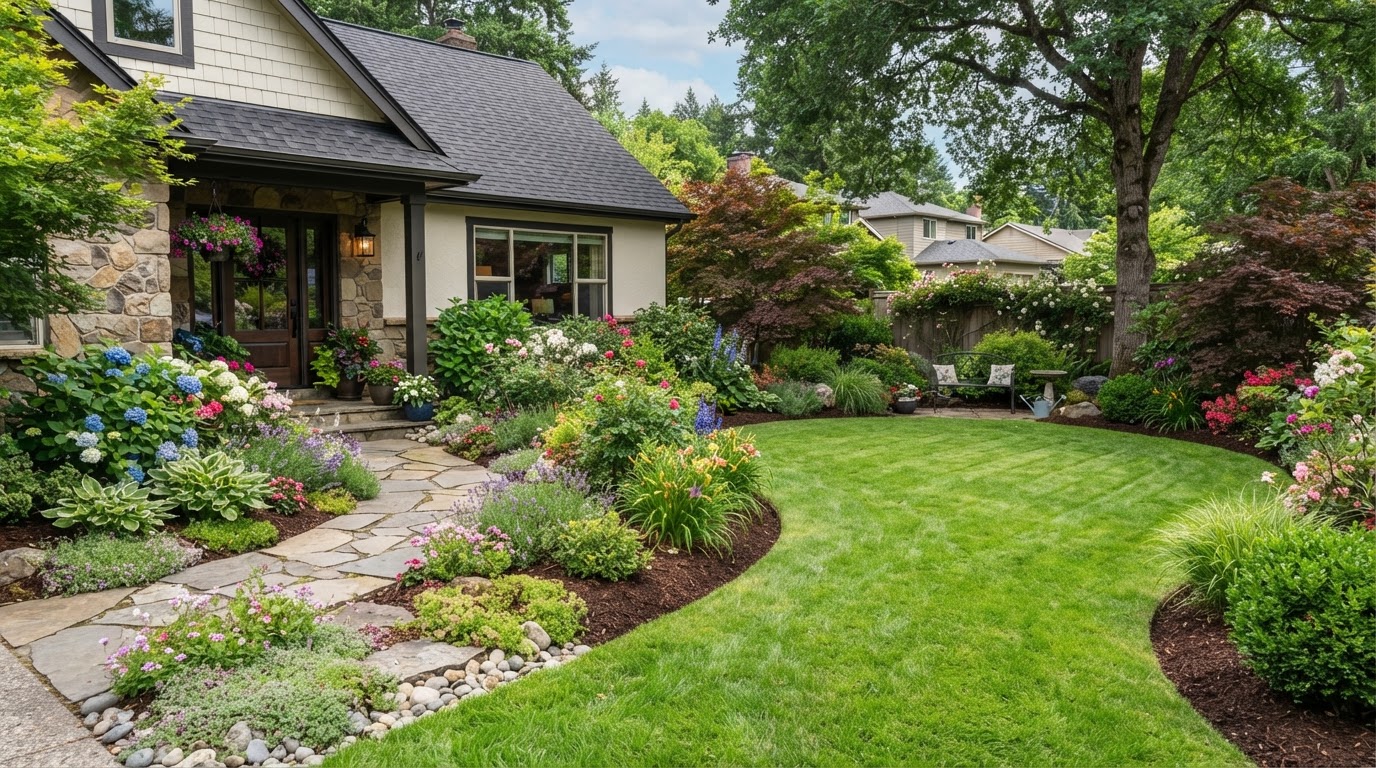
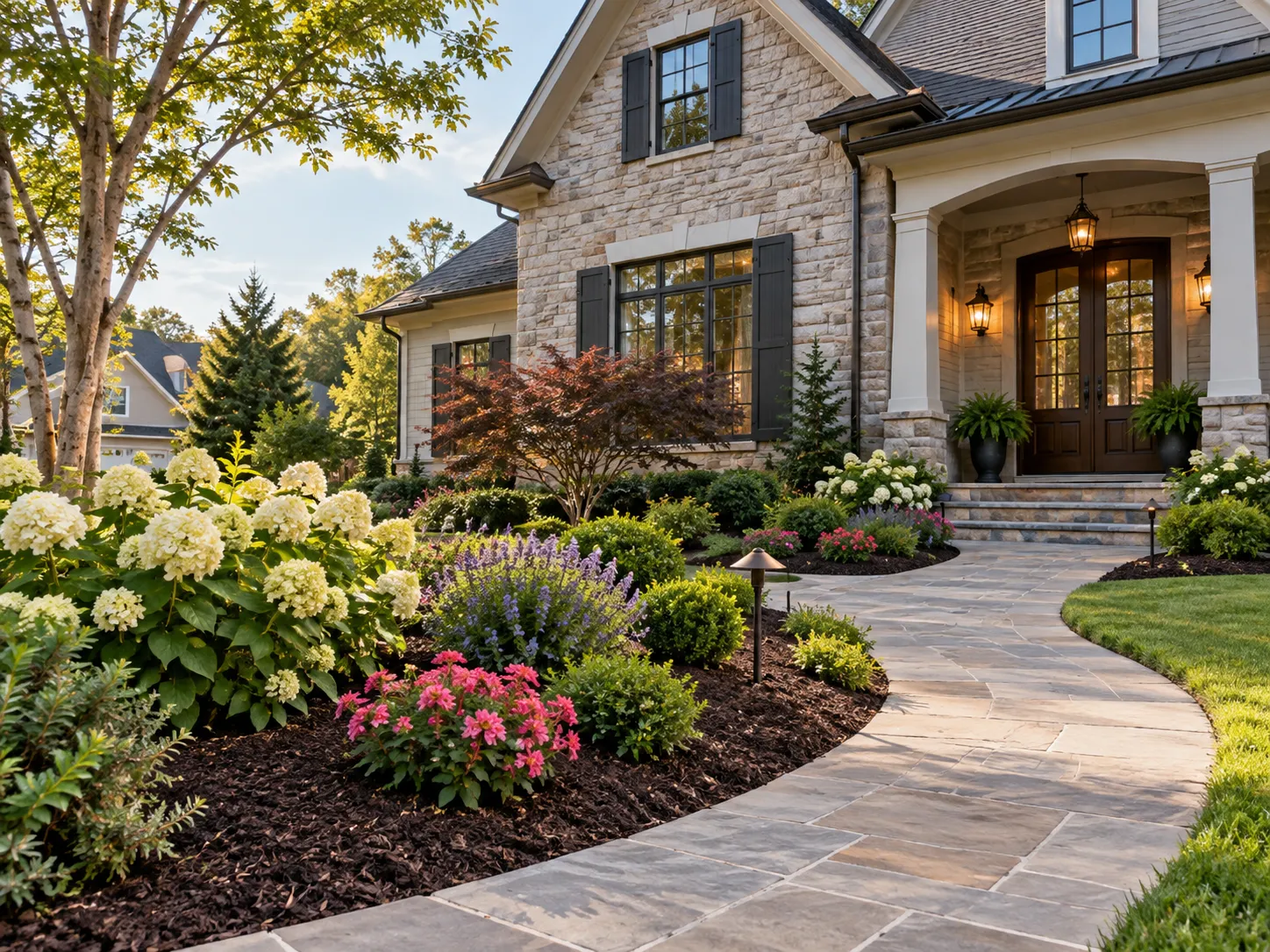
Picture a walkway framed by colorful plantings, garden beds that complement your home's architecture, and a lawn that makes the entire property feel cared for. Small, thoughtful improvements can make an ordinary entrance feel inviting.
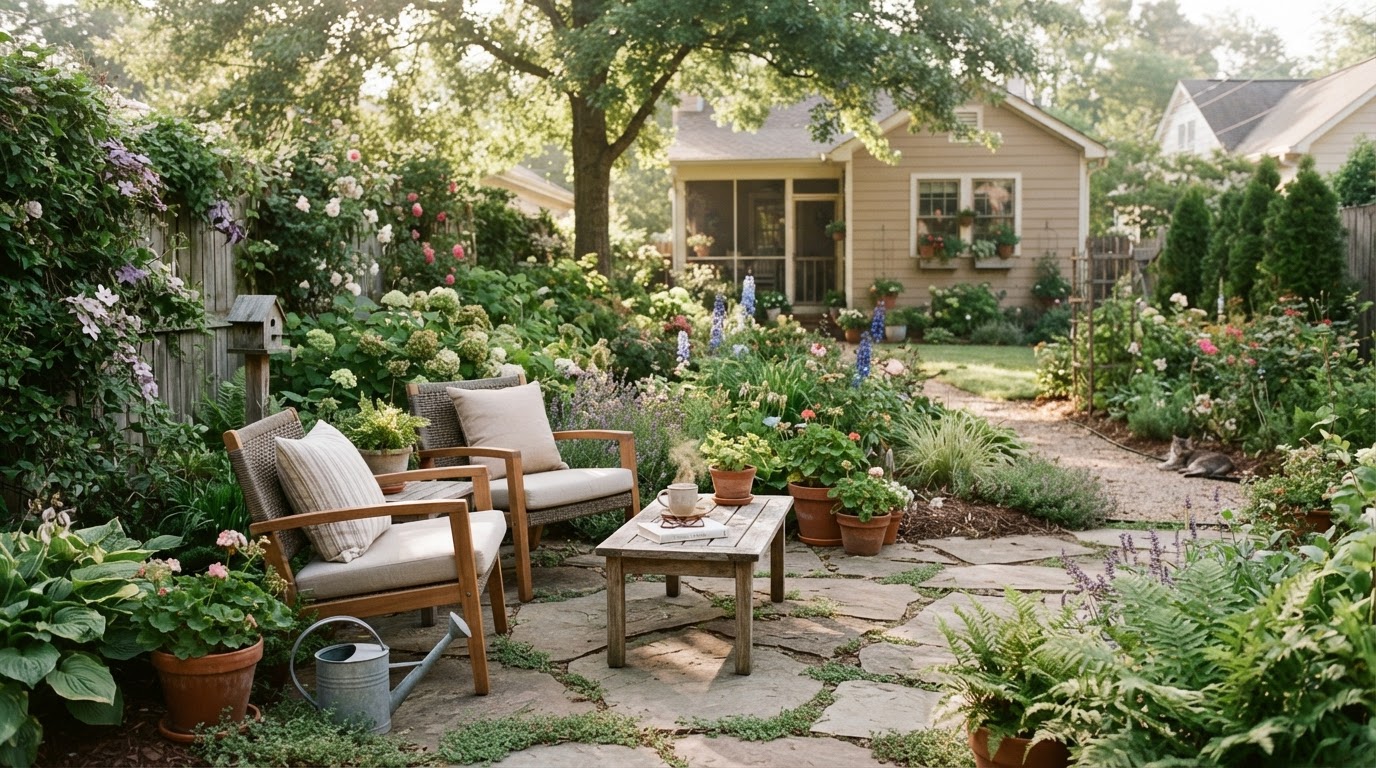
A Backyard That Invites You Outside
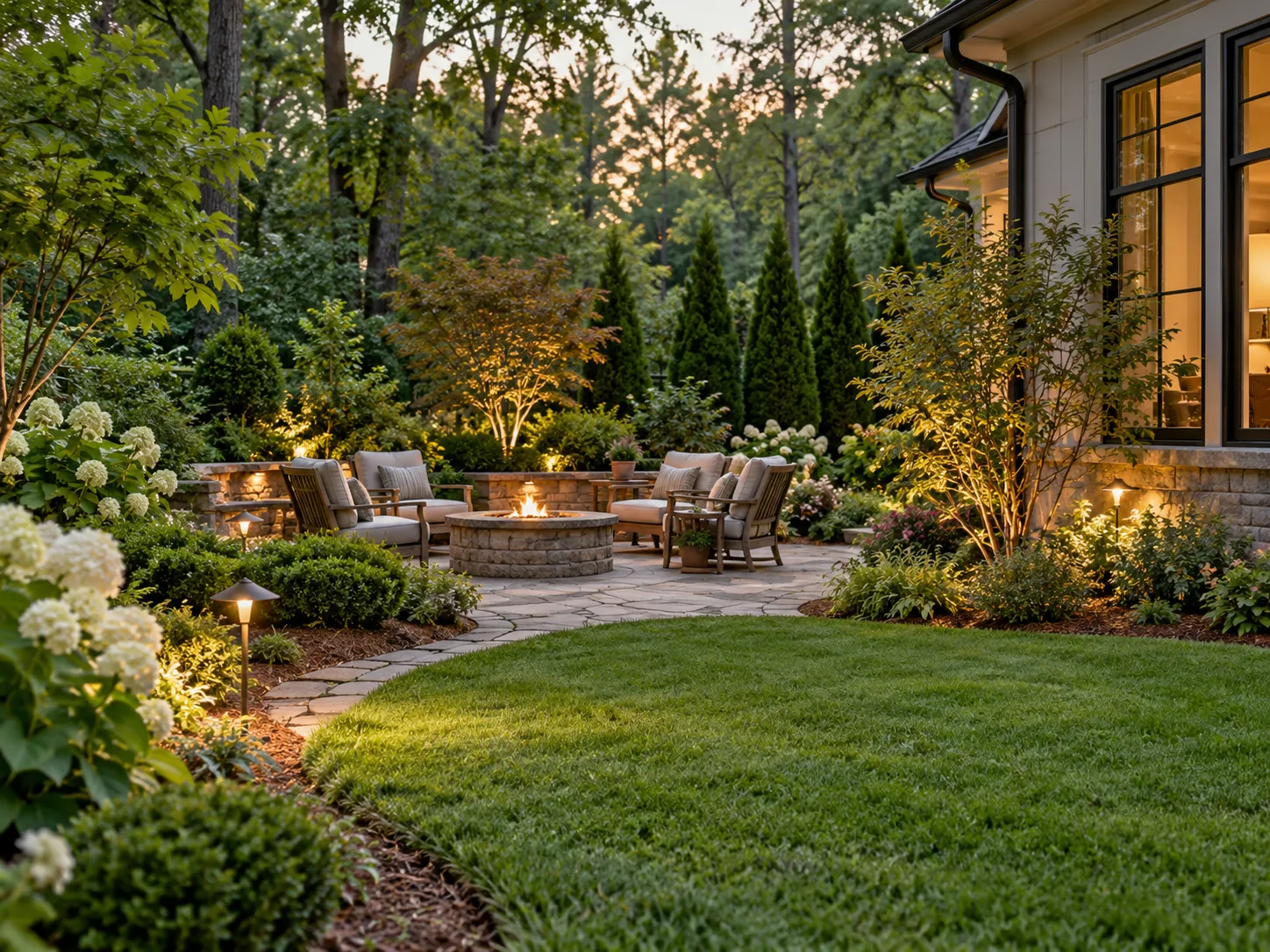
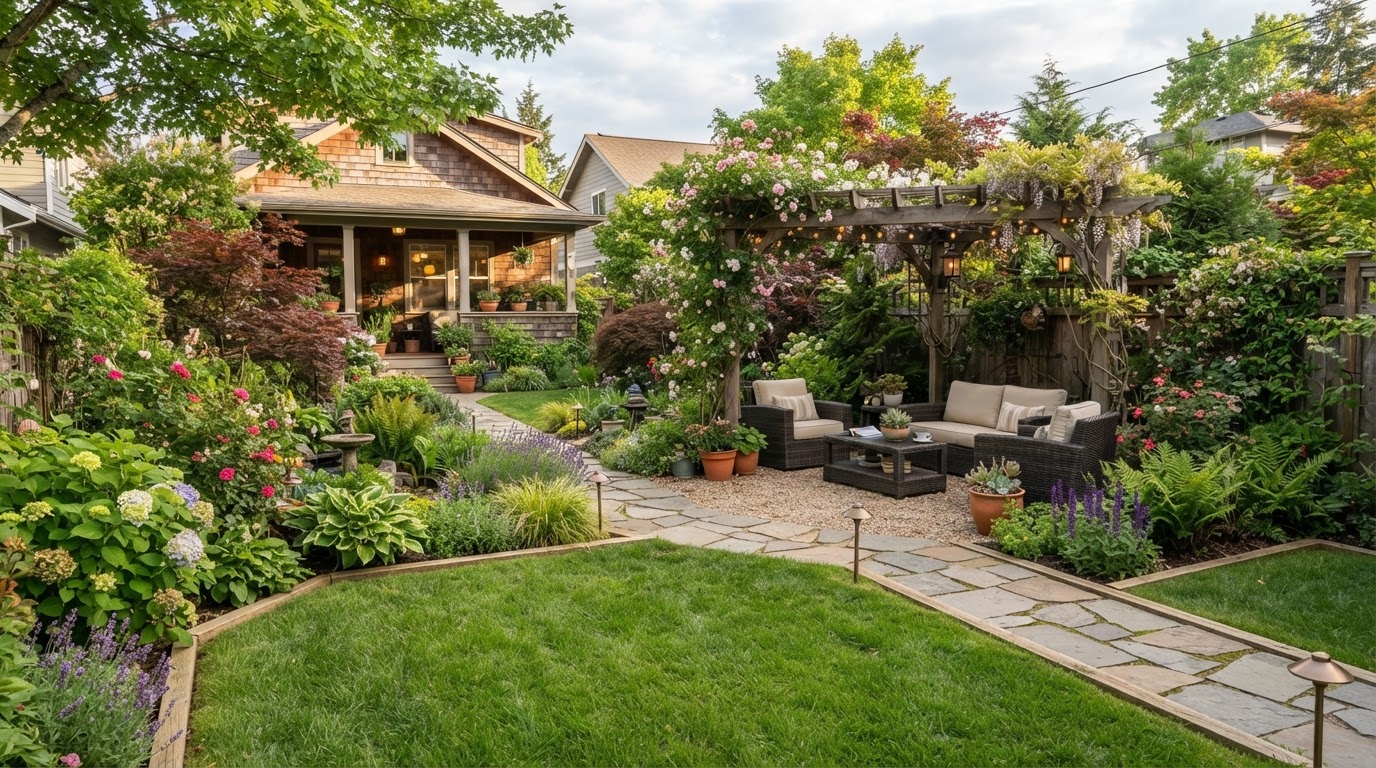
Imagine a shaded corner for morning coffee, a garden that brings color through the seasons, or an open lawn where family and friends can spend time together. The right landscape brings the outdoors into everyday life.
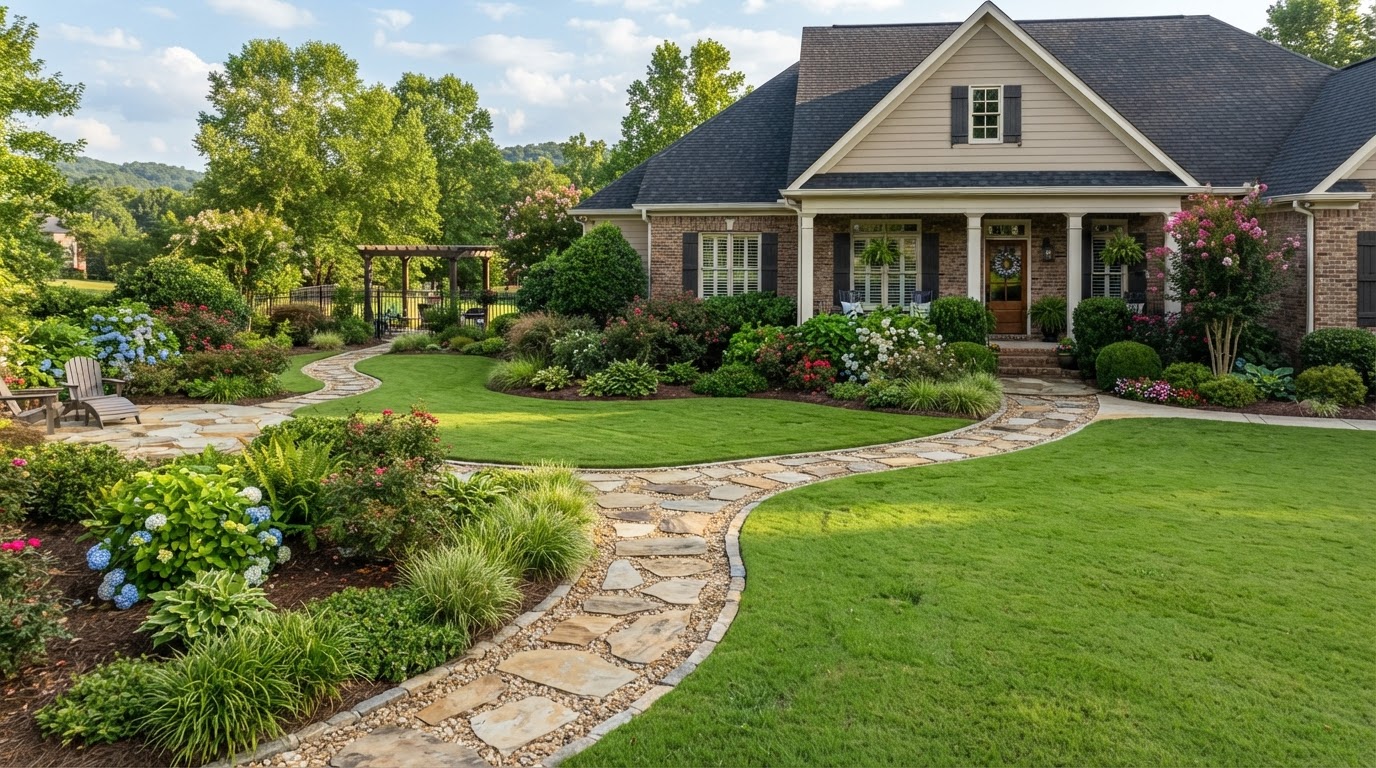
Make More of the Space Around Your Home.
A beautiful landscape is more than a collection of plants. It connects the different parts of your property, makes outdoor areas more welcoming, and gives familiar spaces a fresh sense of purpose.
Gardens With Color and Character
Layered planting beds, flowering shrubs, ornamental grasses, and carefully chosen borders bring color, texture, and interest to the places you see every day.
Pathways and Natural Connections
Thoughtful transitions between the driveway, front entrance, patio, lawn, and garden can make a property feel more unified and easier to enjoy.
Beautiful Spaces That Are Easier to Maintain
The right combination of plants, mulch, edging, and open areas can create an attractive landscape that fits the time and attention you want to give it.
A Beautiful Landscape Starts With Your Property.
The most appealing landscapes feel like they belong. Before choosing plants or defining garden spaces, it helps to understand the conditions that make each yard unique.
Follow the Sun
A sunny front lawn, a shaded side yard, and a garden beneath mature trees can call for very different plants. Choosing for the available light helps create a landscape that can thrive.
Work With the Land
Slopes, low areas, soil conditions, and the way rainwater moves across your yard can influence where planting beds, lawns, pathways, and other features belong.
Think About Everyday Life
Consider how you actually use your property. Space for entertaining, privacy, pets, children, gardening, or simply relaxing can help shape a landscape that feels right for your home.
How a Landscaping Project Takes Shape.
You don't need a finished landscape design to begin exploring possibilities. A few ideas about what you like and how you want to use the space are often enough to start a productive conversation.
Explore the Possibilities
Think about what you'd enjoy changing. It might be a more welcoming entrance, new garden beds, better lawn transitions, or a backyard that feels more complete.
Develop a Plan Around the Property
An experienced landscaping professional can assess site conditions, discuss appropriate plants and materials, and help determine which improvements fit the space and budget.
Prepare, Install, and Finish
Depending on the project, the work may involve grading, soil preparation, edging, planting, mulch, and finishing details that connect the new landscaping to the existing property.
Beautiful Landscaping That Fits the Way You Live.
The best landscape isn't necessarily the most elaborate one. It's the one that makes your home more enjoyable while fitting your property, preferences, and everyday routine.
A Welcome Every Day
Make the approach to your home feel inviting with carefully arranged plantings, defined edges, and landscaping that complements the house.
Room to Relax and Gather
Give your backyard a purpose, whether it's a quiet garden retreat, an open lawn, or landscaping around an existing patio or outdoor gathering area.
Beauty That Feels Manageable
Choose an approach that considers growth, watering needs, seasonal upkeep, and how much gardening you enjoy.
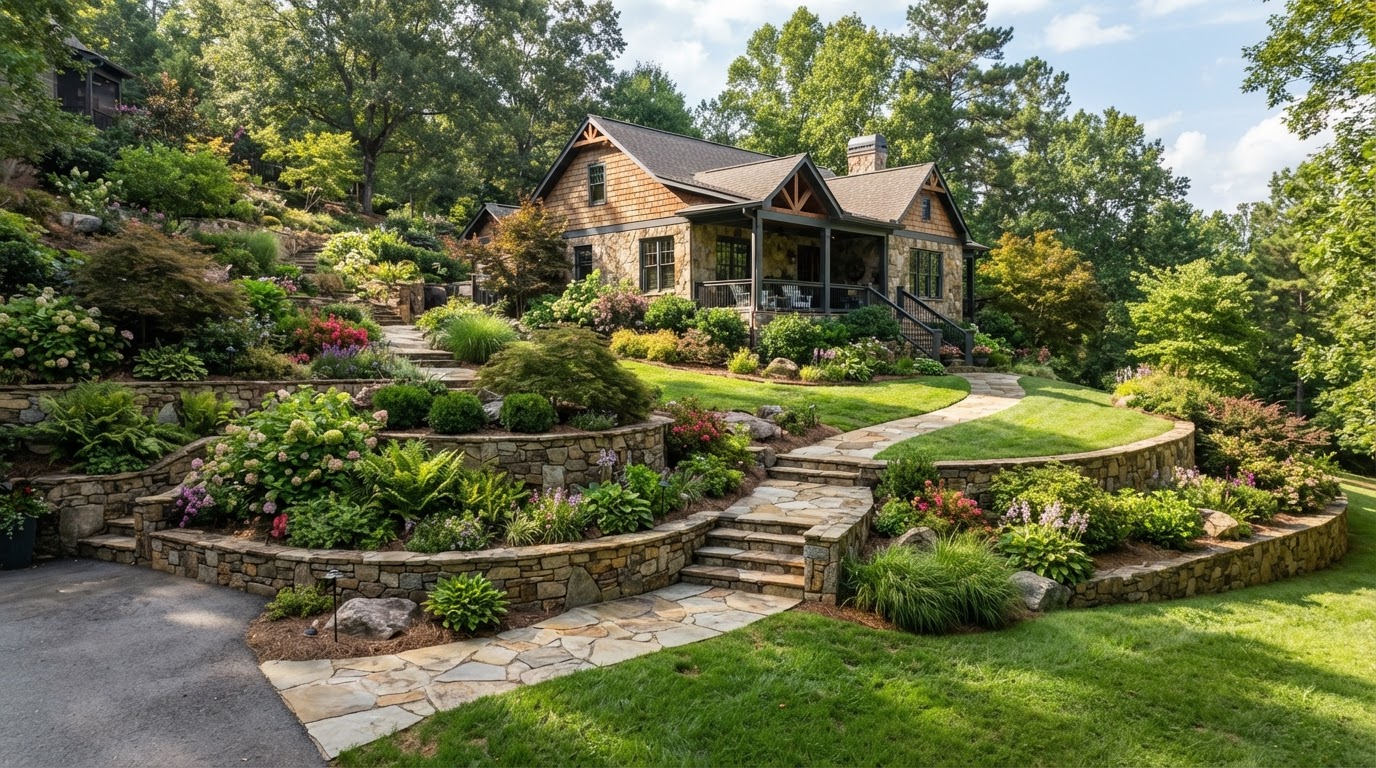
Explore these examples to picture the styles, spaces, and details you might enjoy at home.
Even a Challenging Yard Can Hold Beautiful Possibilities.
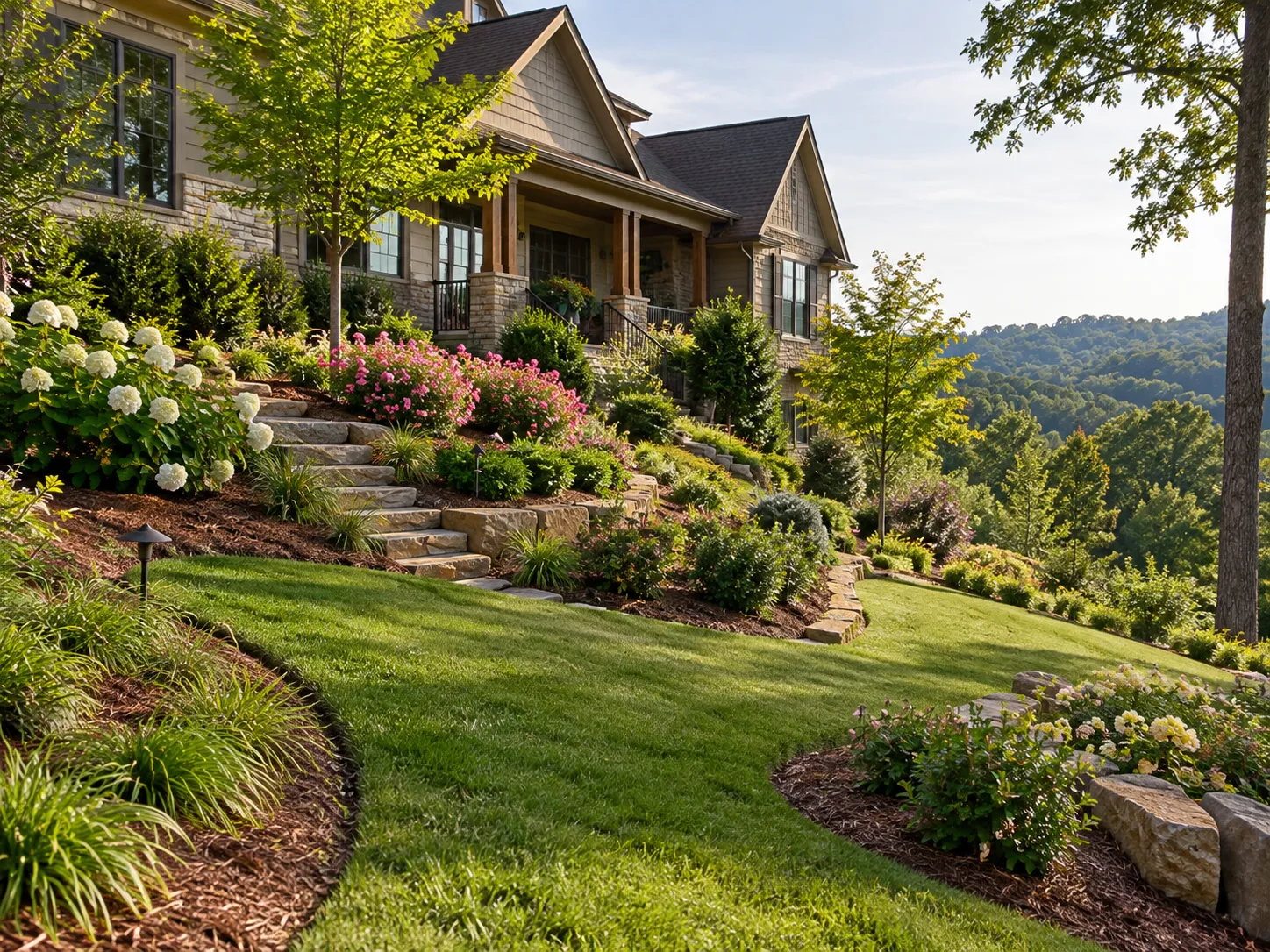
An uneven yard doesn't have to feel like wasted space. Thoughtfully placed planting beds, pathways, lawn areas, and landscape features can help different elevations feel connected.
On sloped properties, drainage and soil stability deserve attention alongside appearance. Some landscapes may benefit from grading, erosion-control planting, or retaining walls to help create more usable outdoor areas.
The goal is a landscape that looks natural, works with the property, and gives you more ways to enjoy being outside.
Explore Retaining Wall Options ↗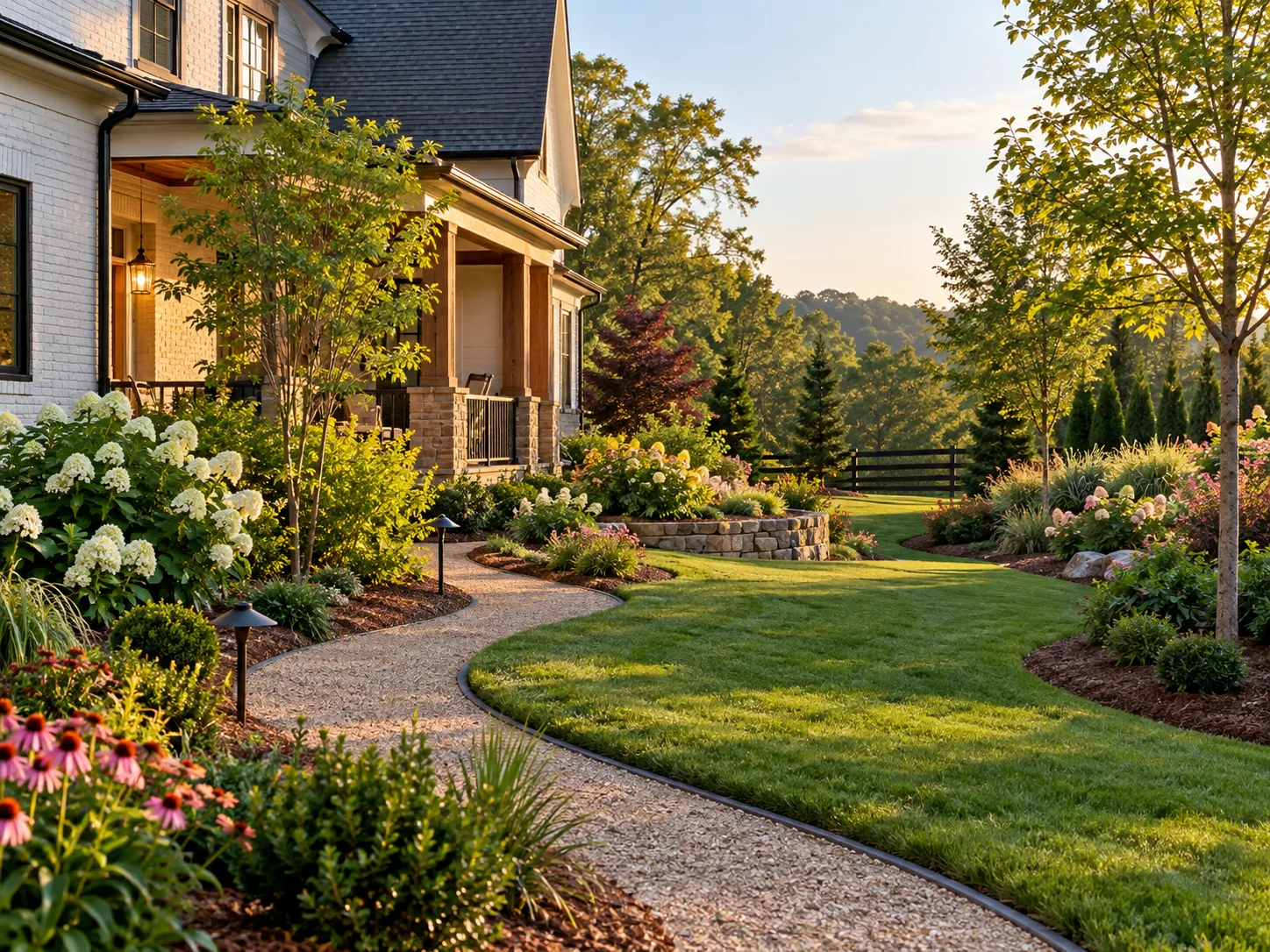
What Does Landscaping Cost in Cartersville, GA?
Landscaping can range from refreshing a few garden beds to changing the look and feel of an entire yard. The following published planning ranges provide a starting point for budgeting, but they are not quotes from a specific Cartersville contractor.
| Project | Typical Planning Range | Example Scope |
|---|---|---|
| Landscape improvements | $2,250–$6,000 | Approximately 500 sq. ft. of landscaping |
| Mulch application | $400–$1,000 | Refreshing existing planting beds with mulch to create a neat, finished appearance. Total cost depends on bed area, mulch type, depth, site access, and preparation. |
| Landscape installation | $1,500–$4,000 | Approximately 1,000 sq. ft. of lawn replacement |
Why Similar-Sized Yards Can Have Different Costs
A relatively small yard may require substantial preparation, drainage work, soil improvements, or removal of existing landscaping. A larger property with good access and simple planting areas may be more straightforward. Plant sizes, materials, site conditions, and the amount of labor all influence the final price.
Ask What Your Estimate Includes
Compare more than the final number. Ask whether the estimate includes site preparation, soil amendments, plants, mulch, edging, debris removal, cleanup, and any needed grading or drainage work. Clear project details make estimates easier to understand and compare.
These figures are general planning benchmarks, not guaranteed local prices. Actual estimates depend on the property and project scope.
Pricing sources: Angi's 2026 Atlanta landscaping cost guide and HomeGuide's 2026 grading and lawn-replacement cost guides.
Have Ideas for Your Yard?
Let's Explore What's Possible.
You don't need every detail figured out. Whether you're imagining new garden beds, a more welcoming entrance, or a complete landscape refresh, start with what you'd love to change about your outdoor space.
Getting Started Is Simple.
Share What You're Imagining
Describe the part of your yard you'd like to improve, what you'd enjoy changing, and any ideas or photographs that inspire you.
Discuss Your Property
A landscaping professional can review your goals, assess the space, and talk through practical options for the property.
Review Your Estimate
Consider the proposed work, materials, scope, and pricing before deciding how you'd like to proceed. If you're ready, request an estimate.
Keep Your Landscape Looking Its Best.
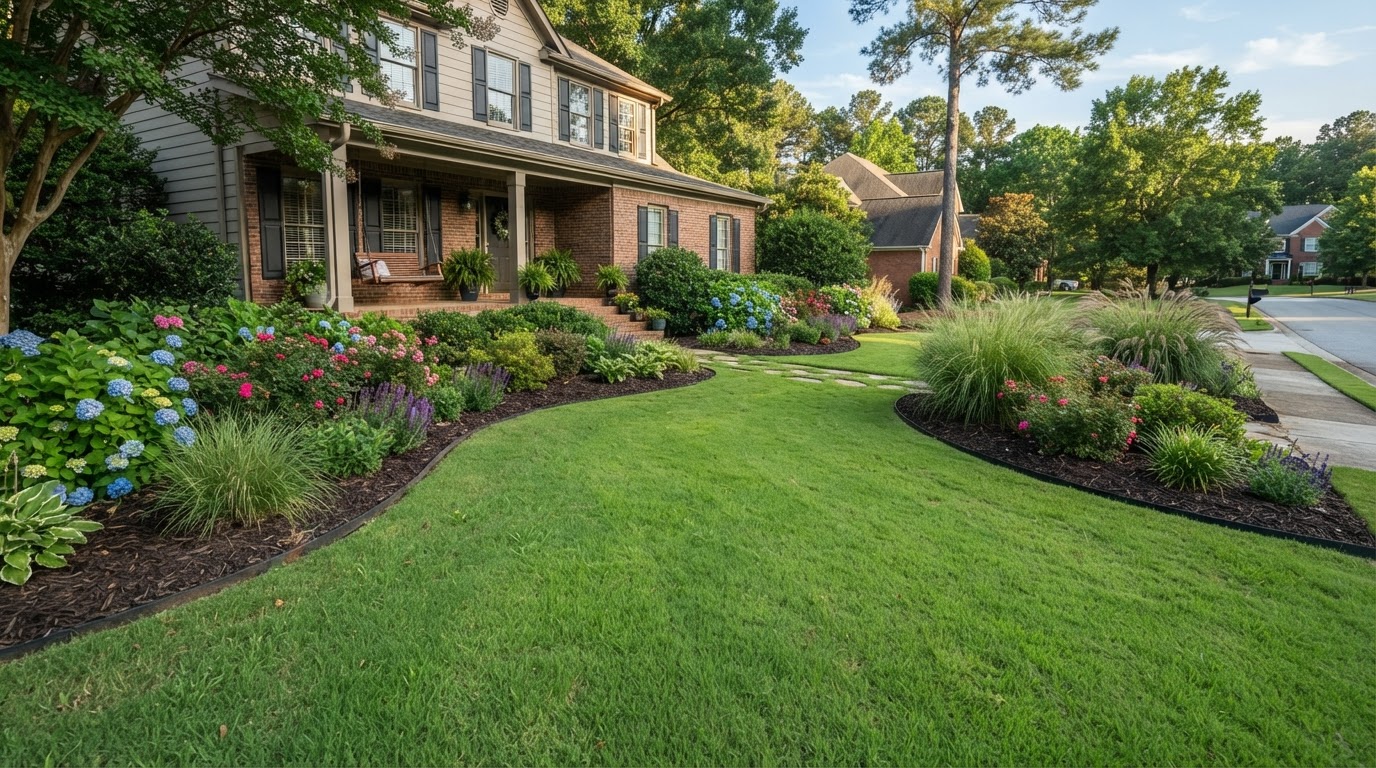
A new landscape can become more beautiful as plants establish and grow. Giving them the right start helps protect that investment and keeps your yard looking inviting.
New plantings often need more consistent watering while their roots become established. Mulch helps conserve moisture, moderate soil temperatures, and define planting areas. Seasonal pruning, weeding, and replacing worn mulch can keep garden beds looking fresh.
The maintenance that's right for your yard depends on the plants, soil, sun exposure, weather, and irrigation. Ask for care instructions specific to the plants and materials selected for your property.
A Few Things Worth Thinking About.
You don't need all the answers before discussing a landscaping project. These questions can help you clarify the results you want.
What Would You Love to Change?
Think about which areas catch your attention every day and what would make them more beautiful, welcoming, or useful.
How Will You Enjoy the Space?
A peaceful garden, an attractive front entry, an open lawn, and a backyard gathering area each suggest different landscaping choices.
How Much Upkeep Feels Right?
Consider whether you enjoy gardening or prefer a landscape with fewer ongoing maintenance demands.
What Matters Most in Your Budget?
Decide which improvements are most important now. Some projects can be approached in phases as priorities and budgets allow.
Landscaping FAQs
From choosing plants to planning costs and caring for a new landscape, these answers cover practical questions homeowners often ask before getting started.
How much does landscaping cost in Cartersville?
Landscaping costs vary by project size and scope. For initial budgeting, the published planning ranges used on this page are $2,250–$6,000 for landscape improvements, $400–$1,000 for mulch application, and $1,500–$4,000 for landscape installation. These are general benchmarks, not confirmed local contractor quotes. Preparation, plants, materials, access, drainage, and labor all affect the final estimate.
How long does a landscaping project take?
A small garden-bed refresh may be completed within a day or two, while larger projects involving grading, multiple planting areas, or hardscaping can take several days or longer. The timeline depends on the scope, weather, material availability, and site preparation. Ask for an estimated work schedule when reviewing your proposal.
When is the best time of year to install landscaping in North Georgia?
Fall is often an excellent time to establish many trees and shrubs in North Georgia because cooler weather reduces heat stress while roots can continue developing. Spring is also a popular planting season. The best timing depends on the plant species, soil conditions, irrigation, and whether the project includes warm-season lawn work.
What landscaping plants grow well in North Georgia?
Many plants suited to Georgia's climate can work well when matched to the site. Depending on sun, soil, drainage, and available space, options may include azaleas, hydrangeas, hollies, native flowering plants, and ornamental grasses. Mature size and maintenance needs matter just as much as appearance, so plant selections should be checked against the conditions of the actual property.
Can landscaping improve drainage problems?
Landscaping can help manage some surface-water problems through appropriate grading, drainage features, plant selection, and erosion-control measures. However, adding plants or mulch alone won't correct every drainage issue. Standing water near a foundation, recurring erosion, or a persistently wet area deserves a closer site assessment before cosmetic landscaping work begins.
What can I do with a sloped backyard?
A sloped backyard can offer opportunities for garden terraces, naturalistic planting beds, connected pathways, and defined lawn or gathering areas. The right approach depends on the steepness of the slope, soil conditions, drainage, and how you want to use the space. Significant grade changes may require retaining structures or professional engineering evaluation.
Can I have beautiful landscaping without a lot of maintenance?
Yes. A lower-maintenance landscape can use plants suited to the site, manageable planting areas, well-defined edges, mulch, and appropriately sized shrubs that won't require constant trimming. No living landscape is completely maintenance-free, but thoughtful choices can reduce unnecessary watering, pruning, and upkeep.
Should I replace my lawn or improve the garden beds first?
Start with the area that most affects your goals and the property's overall appearance. Refreshing neglected beds can transform a front entrance, while a struggling lawn may be the priority when you want usable outdoor space. If grading or drainage work is needed, address that before investing in new lawn or planting areas that could be disturbed later.
How do I choose plants for sunny and shady areas?
Choose plants according to the actual light each area receives, not just whether it looks sunny or shaded during one part of the day. Full sun generally means at least six hours of direct sunlight, while shade conditions range from filtered light to very little direct sun. Plant labels and regional guidance help identify suitable choices, but soil moisture and mature plant size also matter.
Will new landscaping need irrigation?
New landscaping generally needs reliable watering while plants become established, but a permanent irrigation system isn't necessary for every project. The right approach depends on the plants, soil, weather, and size of the landscape. Hand watering, drip irrigation, and automatic systems each have advantages, and overwatering can be as harmful as allowing roots to dry out.
Can landscaping be completed in phases?
Yes. Landscaping can often be planned in stages, such as improving the front entrance first, refreshing planting beds next, and developing a backyard gathering area later. A coordinated overall plan helps prevent later work from damaging completed areas. Drainage, grading, and major underground installations should be considered early even if the visible improvements happen gradually.
What should I prepare before requesting a landscaping estimate?
Start with a few photographs of the area, a rough idea of its size, and a description of what you'd like to improve. Note any drainage, shade, slope, or maintenance concerns and share an approximate budget if you have one. Inspiration photographs are helpful, but you don't need a completed design before asking about the possibilities.
Landscaping in Cartersville and North Georgia
Explore landscaping services in Cartersville and surrounding North Georgia communities.
Discover More Possibilities for Your Property.
Landscaping often works best when the different parts of your property feel connected. Explore related improvements that can complement a beautiful, practical outdoor space.